

Online learning has changed dramatically over the past few years. What started as static video lectures and downloadable PDFs has evolved into interactive, responsive platforms that adapt to how each learner actually studies. One of the biggest forces behind this shift is conversational AI – technology that allows software to understand natural language and respond the way a helpful tutor or support assistant would.
For anyone learning to code, studying for certifications, or simply trying to pick up a new skill online, conversational AI is quietly becoming part of the experience: it’s in the chatbot that answers a late-night question, the voice assistant that reads out a lesson, and the recommendation engine that decides what to show you next. This article looks at what conversational AI actually is, how it’s being used in education today, and why it matters for the future of learning.
What Is Conversational AI, Exactly?
Conversational AI refers to systems that can understand human language – spoken or written – and generate a relevant, natural-sounding response. Unlike older chatbots that relied on rigid keyword matching, modern conversational AI uses natural language processing (NLP) and machine learning to understand context, intent, and even tone.
In practice, this means a student can type or say something like “I don’t get why my last assignment was marked wrong” and receive a genuinely useful, context-aware reply instead of a generic FAQ link.
Why Education Is a Natural Fit for Conversational AI
Education has some very specific challenges that conversational AI is well-suited to solve:
- Learners have questions at all hours. A student studying at 11 p.m. can’t always wait until office hours for an answer.
- Class sizes are growing, but instructor time isn’t. One teacher or mentor simply cannot give every learner individual attention at scale.
- Learning styles vary widely. Some students prefer reading, others prefer listening, and some need repeated explanations before a concept clicks.
- Engagement drops without timely feedback. Research on online course completion consistently shows that delayed responses to student questions are one of the biggest reasons learners disengage or drop out.
Conversational AI directly addresses each of these pain points by being available continuously, scaling to thousands of learners at once, and adapting its explanations based on how a student is interacting with the material.
Real-World Applications in Education Today
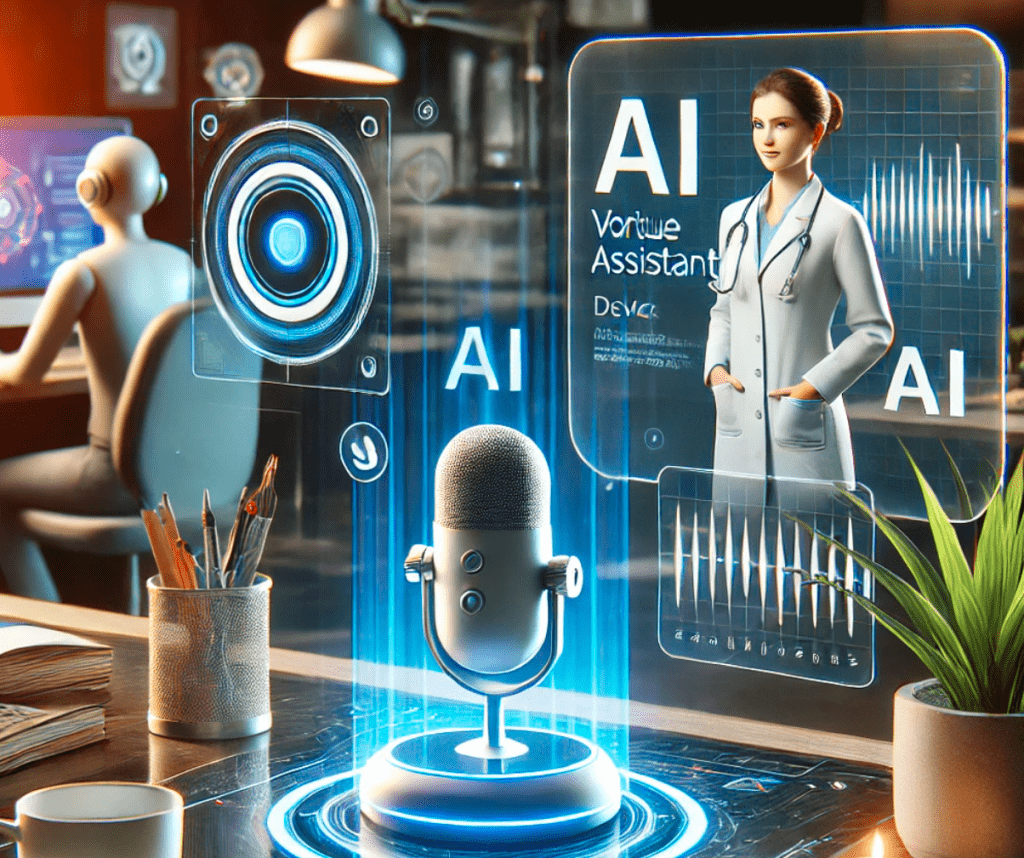
Conversational AI isn’t a future concept – it’s already embedded in many learning platforms. Some of the most common applications include:
- 24/7 student support chatbots that answer common questions about deadlines, course content, or technical issues without waiting for a human agent.
- AI tutoring assistants that walk a learner through a concept step by step, adjusting the explanation if the student seems confused.
- Voice-based learning tools that read content aloud or let students ask questions verbally, which is especially useful for accessibility and for learners who absorb information better by listening.
- AI-powered video content is another growing application in online education. Educators can use an AI video maker to create engaging lessons, visual explainers, and course materials more efficiently. This can make complex topics easier to understand while giving learners a more interactive way to engage with educational content.
- Automated feedback on practice exercises, where the AI reviews a student’s answer and explains what went wrong in plain language.
- Enrollment and onboarding assistants that guide new students through course selection, registration, and platform setup.
- Language learning companions that hold real-time spoken conversations with learners to build fluency and confidence.
Industry data reflects how quickly this space is growing: reports on the ed-tech sector estimate that the global AI-in-education market is on track to grow at a compound annual rate well above 30% over the next several years, driven largely by demand for personalized, always-available learning support.
The Benefits for Students and Institutions
For students:
- Immediate answers instead of waiting days for instructor replies
- A judgment-free space to ask “basic” questions as many times as needed
- Personalized pacing that adjusts based on individual progress
- Support in multiple languages, widening access for non-native speakers
For institutions and educators:
- Reduced administrative workload from repetitive, low-complexity questions
- Better retention data, since AI systems can flag when a student seems to be struggling before they drop out
- Scalable support that doesn’t require proportionally more staff as enrollment grows
- More instructor time freed up for high-value mentoring rather than repetitive Q&A
Challenges Worth Considering
Conversational AI in education isn’t without its limitations, and it’s worth being realistic about them:
- Accuracy matters enormously. An AI tutor that confidently gives an incorrect explanation can do real harm to a student’s understanding, so quality control and human oversight remain essential.
- Over-reliance is a risk. Institutions need to balance AI-driven support with genuine human interaction, especially for complex or emotionally sensitive situations.
- Data privacy is a serious concern. Educational platforms handle sensitive information about minors and adult learners alike, so any conversational AI system needs strong data protection practices.
- Not every learner adapts equally well. Some students still prefer traditional instructor contact, and forcing an AI-first experience on everyone can backfire.
Institutions that succeed with this technology tend to treat it as a support layer that enhances human educators, rather than a replacement for them.
Where This Technology Is Headed
The next phase of conversational AI in education is likely to focus on deeper personalization – systems that don’t just answer questions, but actively adapt entire lesson plans based on how a student learns best. Voice-first interfaces are also expected to play a bigger role, particularly as more learners study on mobile devices where typing long questions is inconvenient.
Platforms built specifically for this space, such as Conversational AI for Education, illustrate how the technology is being tailored to the unique demands of learning environments – things like reading lesson content aloud naturally, supporting multiple languages for global classrooms, and holding structured, curriculum-aware conversations with students rather than generic chatbot exchanges.
What This Means for Anyone Learning Online
If you’re learning a new skill – whether that’s programming, data analysis, or any other technical subject – through an online platform, there’s a good chance conversational AI is already shaping parts of your experience, even if you don’t notice it directly. The chatbot that clarifies a confusing topic, the voice narration on a lesson, or the system that nudges you back into a course you paused are all built on this same underlying technology.
As these tools continue to mature, the gap between self-paced online learning and one-on-one tutoring is likely to keep narrowing. For learners, that means more support exactly when it’s needed. For educators and institutions, it means new tools to reach more students without stretching resources thin.
Final Thoughts
Conversational AI has moved from a novelty feature to a genuine pillar of modern e-learning. It addresses real problems – delayed feedback, limited instructor availability, and inconsistent engagement – while opening the door to more personalized, accessible education for learners everywhere. As with any technology, the institutions and platforms that get the most value from it will be the ones that use it to support human educators rather than replace them, keeping accuracy, privacy, and genuine student outcomes at the center of the experience.